Blog

Twist and Shout for Brussel Sprout

Brussel Sprouts may be small in size, however, these little nuggets are big in flavor and nutrition. This slow growing Cole crop is a biennial meaning that it takes two years to complete its biological life cycle and therefore will sprout the first year and flower the second year. This slow growing, long bearing crop …

Read more

Preserving Herbs for Sustainable Living

I beg your parsley? Now is the time to start preserving herbs while they are still in abundance for use in the later months. Nothing is better than a fresh taste of summer from the addition of some of your own preserved herbs to flavor your soups, stews, and sauces when it’s cold outside. Preserving …

Read more

Caul-it-Versatile

Cauliflower is a nutrient dense cruciferous vegetable related to broccoli, cabbage, kale, turnips, rutabagas, and Brussels sprouts. Belonging to the Cruciferae or Brassicaceae family,  cruciferous vegetables are aptly named because the flowers contain four petals that resemble a Greek cross. Cauliflower is a powerhouse vegetable full of nutrition that is low in calories, high in …

Read more

Using Produce’s Tops & Bottoms

Learning to use the entire part of fruits and vegetables is not only sensible, it’s environmentally friendly, more economical, and healthier for you.  Purchasing whole vegetables from the growing source ensures fresher produce and is a better value than packaged food, not to mention, without any of the packaging waste. You can stretch your food …

Read more

Give ’em pumpkin to talk about

This is the season for pumpkins and spice and everything nice and as farmers we just love seeing the magnificent pumpkin receive well deserved recognition. We believe that nature provides all of the nutrients our body needs by eating in harmony with the seasons and consuming pumpkin now is no exception. Pumpkin contains vitamin C, …

Read more

Composting to Reduce Food Waste

Compost is made up of organic material that’s added to soil providing nutrients to help plants grow. Composting is not only good for plants, it also helps reduce your carbon footprint which is so important to many of us today.  Kitchen food scraps and yard waste, experts say, make up more than 30 percent of …

Read more

Spud-tactular News

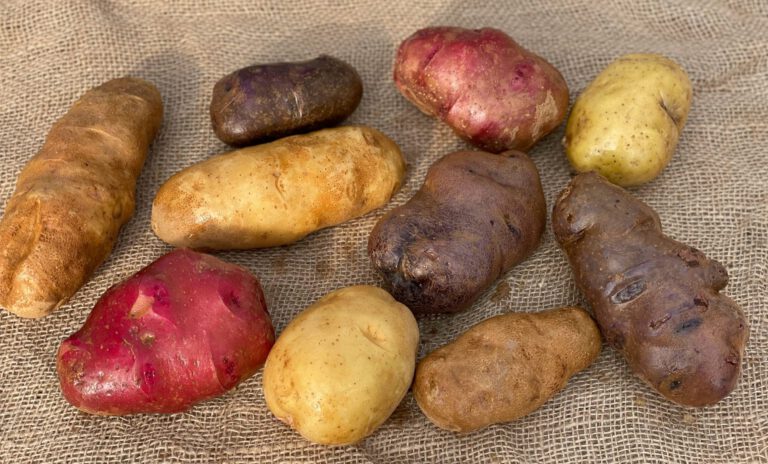
Are you enjoying all the benefits of eating in season? We hope so, and wish to introduce you to a spud-tacular vegetable in season right now, Potatoes! Potatoes are a plant with large leaves with the edible part of this plant being the tuber that grows underground. Potatoes are naturally fat free, cholesterol free and …

Read more

Apple-ly Delicious

Apples have a long history, originating in Central Asia, making their way to America and specifically New Jersey with the early settlers. Apples were primarily used in our region for apple cider and hard apple cider (also known as Apple Jack) as growing apples was more conducive to the climate of the early settlers than …

Read more

Innovating Pumpkin Crops

As sustainable stewards of this land we take our job seriously and are always learning innovative ways to improve our farming practices and grow the healthiest food. This season we are utilizing a new technique called No till farming for our pumpkins. Traditionally used in growing corn & soybeans we are innovating it’s use for …

Read more

Squash-ingly Delicious

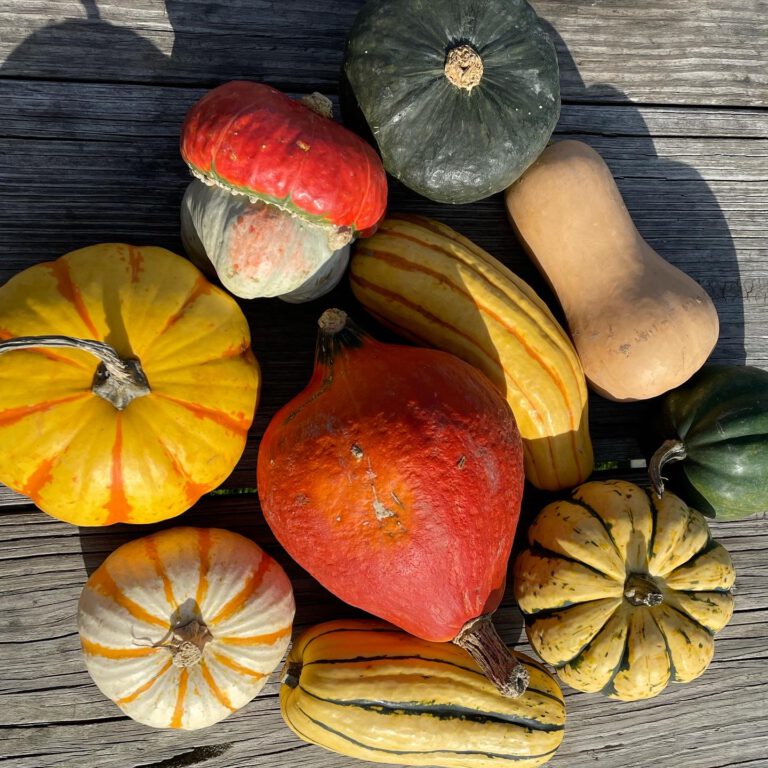
Winter squash is actually a fruit as they contain seeds, however, they are considered a vegetable for culinary and growing purposes. Pumpkin is said to be a kind of squash as they are cucurbits belonging to this climbing plant family which also include; gourds, cucumbers, watermelons & musk melons. There are said to be hundreds …

Read more

Oh My Ghourd!

A pumpkin is a cultivar of winter squash that is round with smooth, ribbed skin, most often orange in coloration containing both seeds and pulp. Technically a fruit, and some are gourds, they are packed with nutrition and both the flesh and the seeds are edible. Pumpkin provides many health benefits according to nutritionists including …

Read more

Ear-istable Corn

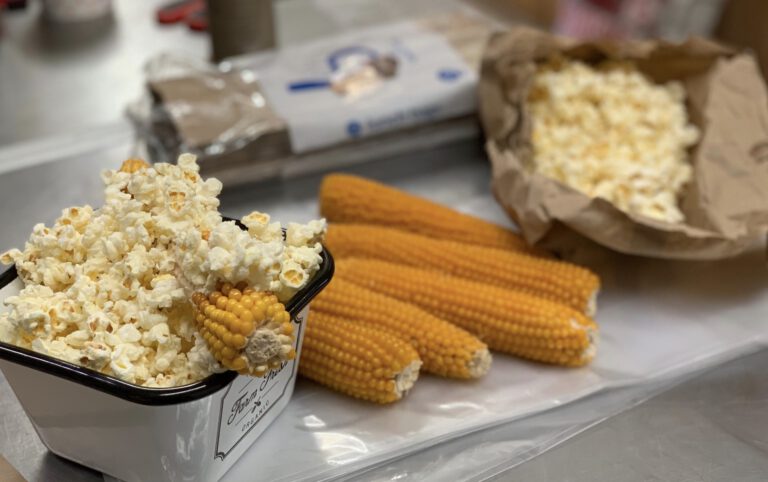
Scientists believe that corn was domesticated in Mexico by native people about 9,000 years ago and that it was developed from wild grass. It was grown in ancient times using a planting system called Milpa which is still used today throughout Mesoamerica. Milpa is essentially a polyculture planting system utilizing Corn, Beans & Squash. The …

Read more

event calendar
book an event
shop farm store
CSA
gift cards
loyalty program