
A Guide to Seasonal Eating and Preserving
As the days grow shorter and the air turns crisp, we’re settling into the rhythm of fall here on the farm. This is the perfect time to embrace seasonal eating, preserve your harvest, and enjoy meals that nourish both body and soul. Now is the moment to can, freeze, or otherwise preserve your vegetables so you can savor the flavors of the season long after the harvest ends.
From the Fields
Our farm production team has been busy harvesting the vibrant greens and vegetables you will find in our markets, Community Supported Agriculture (CSA) weekly boxes of fresh produce and remaining farmers markets. We’ve been carefully tending our late lettuce crops and planting extra carrots, radishes, and arugula to prepare for winter harvests. At night, delicate crops are covered to protect them from frost, ensuring you continue to receive fresh, high-quality produce this season.
In the fields, we’re gathering healthy beets, Brussels sprouts, purple kale, and more. While the variety of fruit in our markets has slowed, apples are still abundantly available right now. We’re excited to start introducing next season’s favorites, including winter squash, potatoes, onions, and hardy greens. Fall is the perfect time to enjoy these seasonal staples at their peak flavor.
Preserving Your Harvest
Eating in season is wonderful, however, preserving your harvest ensures you can enjoy it long after the last leaves have fallen. Here are some simple ways to keep your vegetables and fruits fresh for winter:
1. Freezing
- Most vegetables, like peas, green beans, carrots, and leafy greens, can be blanched and frozen for later use.
- Fruits such as berries or chopped apples can also be frozen to use in smoothies, pies, or sauces.
2. Canning
- Tomatoes, beans, and fruit preserves are perfect for home canning.
- Try making your own tomato sauce, jams, or pickled vegetables to enjoy throughout the winter months.
3. Pickling
- Quick pickles are a fun, easy way to preserve cucumbers, radishes, carrots, and even beets.
- They also add a flavorful punch to sandwiches, salads, or as a snack.
4. Drying / Dehydrating
- Herbs, peppers, and even certain fruits can be dried to last months.
- This method locks in flavor and makes them perfect for soups, stews, or winter teas.
5. Root Cellaring
- Hardy vegetables like carrots, beets, potatoes, and onions can be stored in a cool, dark place for months.
- Make sure to remove any damaged produce and keep them dry for best results.
Why Eating in Season Matters
Eating in season is more than a culinary choice, it’s a lifestyle that enhances your health, connects you with nature, and supports local agriculture and your community. Seasonal foods provide the nutrients your body needs at that time of year, deliver better flavor since they’re harvested at peak ripeness, and reduce your carbon footprint by consuming locally grown foods rather than those transported long distances.
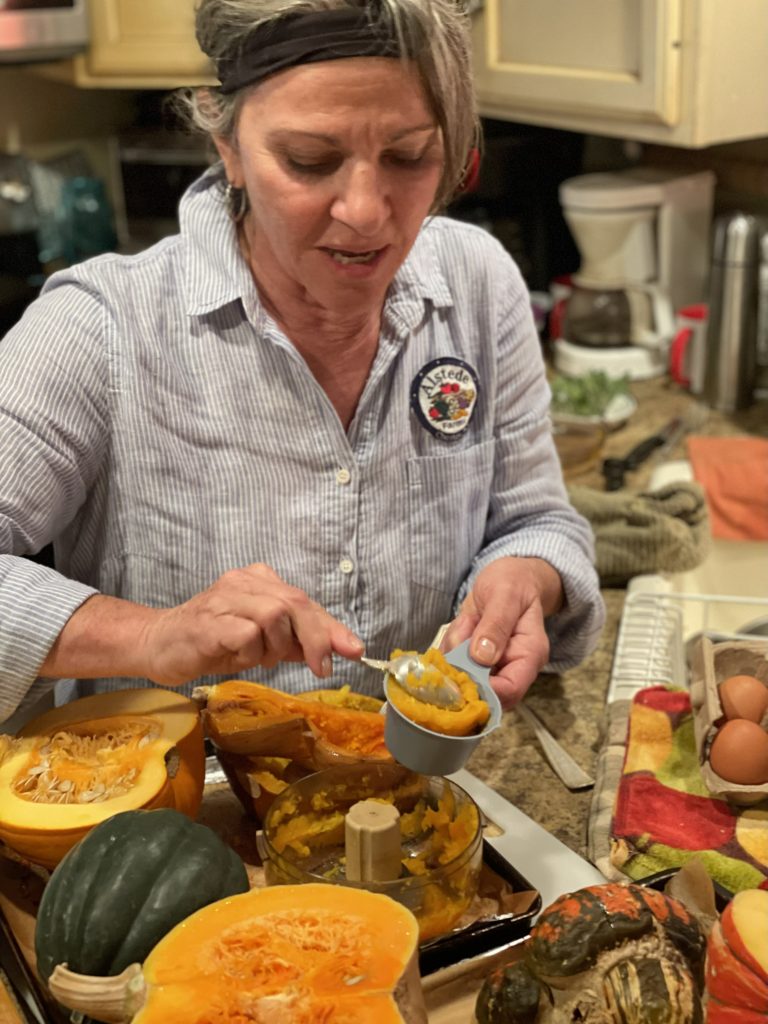
Living in harmony with nature through seasonal eating allows us all to slow down, savor meals, and feel more connected to the rhythms of the land. Learn how to make your own pumpkin puree with our culinary specialist, Miss Jenn, by tuning in to our video on YouTube.
At Alstede Farms, we’ve always believed in the benefits of eating in season: healthier living, reduced environmental impact, and the joy of working closely with the land. As more people spend time inside their home this upcoming season, it’s the perfect moment to reintroduce yourself to this practice. Explore some of our favorite recipes, learn tips for stocking your winter pantry, and share the joy of preparing meals with loved ones, creating memories while nourishing your body with wholesome, seasonal, farm-fresh foods.


