
There is something special about late August on the farm. The garden is full, the fields are overflowing, and everywhere you look there is something ready to be picked, eaten, shared, and preserved.
As summer begins to wind down, we still have plenty of bountiful harvests ahead of us. Tomatoes, cucumbers, peppers, eggplant, sweet corn, garlic, zucchini, herbs, peaches, plums, and apples are all wonderful candidates for preserving. With a little planning and a little time in the kitchen now, you can capture the flavor of summer and enjoy it long after the first frost arrives.
Instead of letting the abundance of August become a September memory, why not set aside a day—or a few afternoons—to preserve some of what you have grown or purchased locally? Your future self will thank you when the days are cold, the nights are long, and you can reach into your freezer, pantry, or cupboard for a taste of summer.
Tomatoes: Preserve Summer in a Jar
Late-summer tomatoes are one of the easiest ways to stock your pantry and freezer for the months ahead. Tomatoes can be turned into jarred sauces, salsa, or other cooked preparations that make winter meals quick and flavorful. You can also freeze tomatoes for later use in soups, stews, sauces, and other dishes. If you have an abundance of tomatoes, don’t feel like you need to process everything at once. Wash and sort them, set aside the best ones for fresh eating, and preserve the rest in manageable batches. A little work now means homemade tomato flavor when fresh local tomatoes are nowhere to be found.
Important: When canning tomatoes, sauces, or salsa, follow a tested canning recipe and proper water-bath or pressure-canning instructions. Safe canning depends on acidity, processing time, temperature, and other factors, so this is one area where it pays to follow established food-safety guidelines rather than improvising.
Pickles for the Pantry
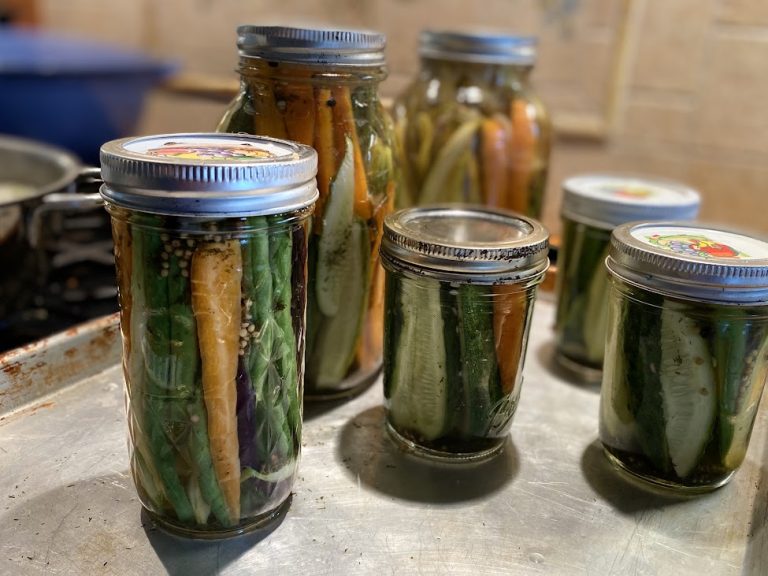
Cucumbers aren’t the only vegetables that can become pickles. Garlic, cauliflower, peppers, cucumbers, and onions can all be incorporated into delicious pickled preparations. Pickled vegetables add brightness and crunch to sandwiches, salads, grain bowls, burgers, grilled meats, and so many other meals. Pickling is also a wonderful way to preserve vegetables that may otherwise become too plentiful to eat before the season ends.
Again, use a tested recipe and proper canning method for shelf-stable pickles. If you’re making refrigerator pickles, keep them refrigerated and follow a reliable recipe for the appropriate vinegar, salt, and storage ratios.
Freeze Sweet Corn for Winter
Sweet corn is one of summer’s greatest gifts, and freezing it is remarkably simple. Start by removing the husks and silk. Blanch the ears briefly in boiling water, then cool them quickly in ice water. Once cooled, cut the kernels from the cob and portion them into freezer bags or containers. Try removing as much air as possible before sealing. When winter arrives, those golden kernels can go straight into soups, chowders, casseroles, skillet meals, cornbread, or other dishes. It’s hard to beat the taste of local summer corn in a steaming bowl of soup on a January evening.
Eggplant Lasagna: Ready for a Winter Night
Eggplant is another vegetable that rewards a little creativity. One delicious option is to prepare individual eggplant lasagna stacks. Layer roasted or cooked eggplant with sauce, cheese, and your favorite lasagna ingredients, then portion them individually, wrap them well, and freeze. On a cold winter evening, you’ll have a comforting homemade meal ready to go. Freezing individual portions also makes it easier to take out exactly what you need rather than thawing an entire casserole.
Don’t Forget the Zucchini
If your garden has produced more zucchini than you know what to do with, you’re certainly not alone! Grate fresh zucchini and freeze it in recipe-sized portions. Later in the year, thaw and drain it before adding it to zucchini bread, muffins, pancakes, casseroles, soups, or other baked goods. Measure your portions before freezing and label each bag with the amount and date. Your future baking self will appreciate the convenience.
Preserve Your Herbs with Homemade Herb Salt
Fresh herbs can be preserved in a simple herb salt that adds flavor to everyday cooking. Combine fresh herbs with salt and process until finely blended. Spread the mixture in a thin layer and allow it to dry thoroughly, either naturally in a dry environment or using a very low-temperature drying method. Once completely dry, store it in an airtight container. Use your herb salt to season vegetables, eggs, roasted potatoes, soups, meats, salads, or anything else that needs a little extra flavor. It is a simple way to make the flavors from the garden last a little longer. Watch the video here.
Dry Summer Fruit Without Fancy Equipment
You don’t necessarily need a dedicated dehydrator to preserve fruit. Thinly sliced peaches, plums, and apples can be dried using an oven or, for smaller batches, an air fryer if it has a suitable low-temperature or dehydration setting. For oven drying, wash and slice the fruit into relatively uniform pieces. Removing excess moisture from the surface helps. Arrange the slices in a single layer on a parchment-lined baking sheet or appropriate rack, leaving space between the pieces. Use your oven’s lowest suitable temperature and check the fruit regularly. The goal is to slowly remove moisture rather than cook the fruit. An air fryer with a dehydration function can make small batches even easier. Because appliances vary considerably, follow the manufacturer’s dehydration guidance and check your fruit frequently. Once dried, allow the fruit to cool completely before storing it in an airtight container. Properly dried fruit should be leathery or chewy rather than wet.
Dried peaches and plums make wonderful snacks, while dried apples are delicious tucked into lunch boxes or enjoyed on a cool fall afternoon.
Why Buy Local for Preserving?
When you preserve food, starting with high-quality produce makes a difference. Buying directly from your local farm means you can choose produce harvested at its peak rather than produce that has traveled long distances and spent days or weeks moving through the supply chain. Fresh, seasonal produce gives you the opportunity to preserve food when its flavor, texture, and quality are at their best. And there is something else that matters: knowing where your food comes from. When you buy from a local farmer, you have an opportunity to ask questions. How was it grown? When was it harvested? What varieties are available? What is especially good this week? That connection gives you confidence in the food you are bringing home to your family.
Preserving Can Help You Eat Well All Year
One of the best things about preserving your own food is that you get to decide what goes into it. Instead of relying entirely on packaged convenience foods during the winter, you can build a freezer and pantry stocked with ingredients you selected yourself at the height of the season. Freezing can help retain much of the nutritional value and fresh flavor of many fruits and vegetables, while proper canning, pickling, and drying provide additional ways to extend the usefulness of your harvest. And perhaps most importantly, preserved food makes it easier to keep eating a variety of vegetables and fruits throughout the year.
Imagine opening a jar of summer tomato sauce in February. Adding your frozen sweet corn to a pot of soup in December. Baking zucchini bread with vegetables you preserved in August. Serving pickled peppers alongside a winter dinner. Those foods aren’t just ingredients. They’re little reminders of summer.
Trust Your Food. Know Your Farmer.
The end of August isn’t the end of the harvest. It’s an invitation to make the most of it. Take advantage of the abundance while it is here. Buy fresh produce from your local farm. Bring it home. Roll up your sleeves. Make a mess in the kitchen. Fill your freezer. Stock your pantry. Dry some fruit. Make pickles. Freeze some corn. Save those tomatoes. Then, when winter arrives, you’ll have more than food waiting for you. You’ll have the taste of the season you worked to preserve. And you’ll know exactly where it came from.
Stay healthy all season long. Trust your food. Know your farmer.


